
AI Hangover: Nasdaq's 2.6% Plunge Signals Tech Spending Reckoning
Meta Platforms did everything right. It beat revenue expectations. It reported a solid quarter. And the market responded by smashing its stock down 6.98% to $648.85. That's the kind of welcome that tells you something deeper is happening — and it's not about Meta's business. It's about the entire...

Meta Platforms did everything right. It beat revenue expectations. It reported a solid quarter. And the market responded by smashing its stock down 6.98% to $648.85. That's the kind of welcome that tells you something deeper is happening — and it's not about Meta's business. It's about the entire AI narrative.
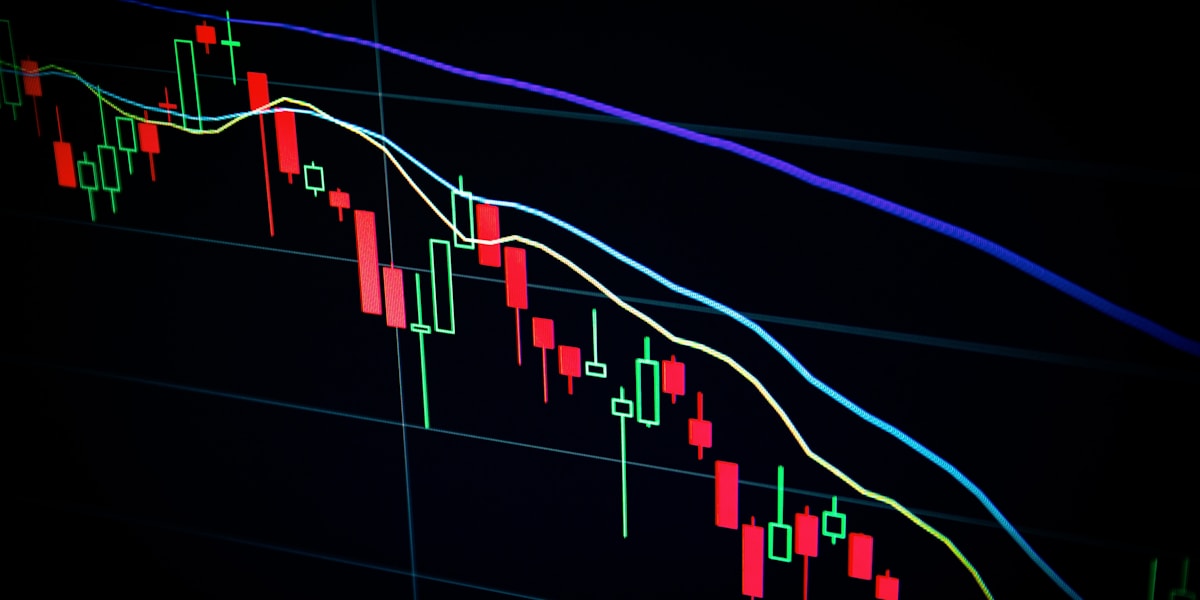
Welcome to October 23, 2026, the day the tech sector's hangover from the AI spending binge went from a headache to a full-blown panic. The Nasdaq Composite tumbled 2.6% to 26,008.86, its worst session since June. The S&P 500 fell 1.21% to 7,663.43. The Dow? It barely budged, up 0.02% to 52,867.98 — a flat line that screams "rotation" louder than any headline.
This wasn't a broad market rout. It was a surgical strike on the very idea that pouring billions into AI infrastructure is a sure thing. And the market's message was clear: show me the returns, or I'm out.
The Meta Paradox: Good News, Bad Reaction
Meta's 7% drop is the perfect case study. The company beat revenue expectations — that's the "good news" part. But investors didn't care about the past quarter. They cared about the future spending. Meta's AI-related capital expenditures are climbing, and the market is now asking a question that was taboo six months ago: How are you going to pay for all this?
The answer, apparently, involves issuing new shares. That spooked the market. When a company with Meta's cash flow starts talking about dilution to fund AI, it's a signal that the free-money era is over. The market is no longer willing to give tech giants a blank check for AI experiments. It wants proof of profitability — and soon.
This isn't just Meta. The entire tech sector felt the heat. ASML Holding, the Dutch semiconductor equipment giant that is the literal pick-and-shovel supplier of the AI boom, saw its stock crater 16.12%. That's not a hiccup; that's a vote of no confidence in the entire AI supply chain. If ASML's customers — the TSMCs and Samsungs of the world — are worried about AI demand, ASML's order book will suffer. The market is pricing that in, fast.
Defense Wins, Tech Bleeds
While tech was getting hammered, one sector quietly posted a gain: Financials, up 0.02% on the Dow. That's barely a blip, but in a day when the Nasdaq lost 2.6%, any green is a victory. The real winner, though, was defense. Lockheed Martin surged nearly 7% to $589.91 after reporting a record backlog of $292 billion and beating earnings estimates. When the world feels dangerous — and with Middle East tensions escalating, oil above $100 a barrel, and Houthi attacks making headlines — investors want tangible assets. Tanks and fighter jets are tangible. AI models are not.
The rotation is unmistakable. Money is flowing out of high-growth, high-valuation tech and into sectors with real earnings and geopolitical tailwinds. SAP, the German software giant, bucked the trend with a 6.85% gain — but that move was idiosyncratic, not sector-wide. The broader story is one of fear, not greed.
The CBOE VIX, the market's fear gauge, jumped 14.09% to 19.03. That's not panic territory (VIX above 30 is panic), but it's a clear signal that investors are hedging. The Fear & Greed Index sits at 20 — "Extreme Fear." That's the kind of number you see when the market is pricing in a potential correction, not just a pullback.
Safe Havens: Yen, Bonds, and the Oil Paradox
When tech sells off, money doesn't just disappear — it moves. Today, it moved into the Japanese Yen, which strengthened to its highest level in over a month against the dollar (USD/JPY around 156.25). The catalyst was stronger-than-expected Japanese CPI inflation data, which raises the odds of Bank of Japan rate hikes. But the bigger driver was simple risk aversion. The Yen is the ultimate safe-haven currency, and when the Nasdaq drops 2.6%, the Yen rallies.
US Treasury yields also fell sharply, with the 10-year yield dropping below 5%. That's a classic flight to safety: investors selling stocks and buying bonds, pushing prices up and yields down. The message is that the market is worried about growth, not inflation — at least for now.
But inflation worries haven't disappeared. Oil prices are elevated, with WTI crude at $100.02 a barrel and Brent at $113.64. Geopolitical tensions in the Middle East — including potential US/Israel strikes against Iran — are keeping energy prices high. That's a double-edged sword: it boosts energy stocks (though not enough to save the market today) but adds to cost pressures for everyone else. Gold, paradoxically, fell to around $4,000 an ounce. Normally, gold rallies on risk-off days. But with yields falling and the dollar under pressure, gold's decline suggests that investors are selling everything to raise cash — or that they prefer the Yen and Treasuries as safe havens.
What This Means for Your Portfolio
Today's sell-off feels like a reckoning, not a random dip. The AI trade has been the market's dominant narrative for two years, and it's now facing its first serious credibility test. The question isn't whether AI will change the world — it will. The question is whether the companies spending billions on AI will ever earn a return that justifies those valuations. The market is starting to bet that many won't.
For retail investors, the temptation is to panic and sell everything. Don't. But do pay attention to the rotation. The sectors that are holding up — defense, financials, even energy — are telling you where the smart money is going. Lockheed Martin's record backlog isn't a fluke; it's a signal that geopolitical risk is becoming a permanent feature of the investment landscape. Oil above $100 isn't a spike; it's a new normal until tensions ease.
The VIX at 19 and Fear & Greed at 20 suggest that the market is pricing in more downside. But extreme fear often marks the bottom, not the top. The smart play isn't to buy the dip in tech blindly — it's to wait for the AI narrative to reset. Watch Meta's next earnings call. Watch ASML's order book. If the spending continues without results, the sell-off will deepen. If companies start showing real AI revenue, the rotation will reverse.
For now, the market is saying: Show me the money, not the PowerPoint. Listen to it.
Investment Disclaimer
This article is for informational purposes only and does not constitute financial advice. Always do your own research before making investment decisions.

 Sophie Martin

 James Durand